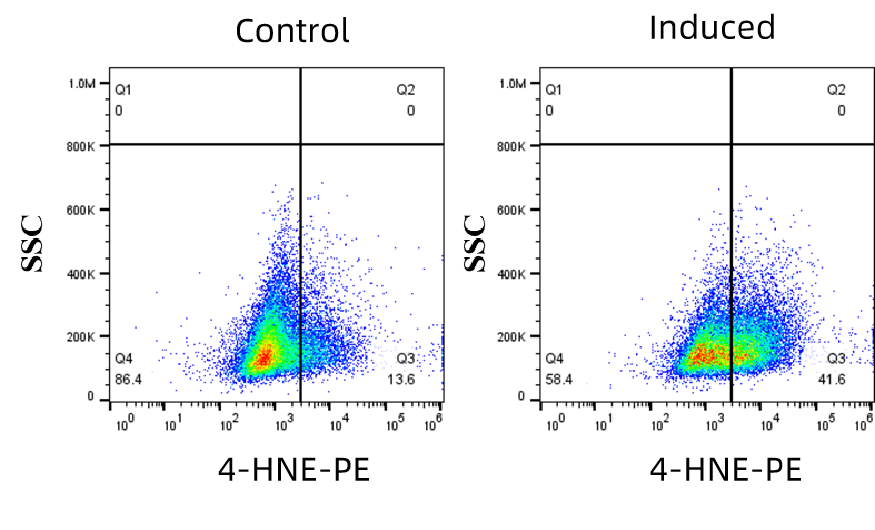
The expression of 4-HNE in BV2 cells was evaluated using flow cytometry, revealing a significant upregulation in the induced group compared to the control group, a notable increase in the proportion of 4-HNE-positive cells.
4-hydroxy-2-nonenal (4-hydroxynonenal, 4-HNE) is a highly reactive aldehyde generated by the exposure of polyunsaturated fatty acids to peroxides and reactive oxygen species (ROS). It non-enzymatically forms stable protein adducts with histidine, lysine, and cysteine side chains that have been used as biomarkers for oxidative damage in cells. Conditions where 4-HNE immunoreactivity has been observed include include inflammation, neurodegenerative diseases, and ischemic damage to the heart and brain.